
The new Trek Fuel EX captures the true essence of a trail bike: light, responsive, and fun to ride 😮🔥
All these features come in an easy-to-handle package, suitable for riders of all levels 👌
➡️ Brand: Trek
➡️ Product: Fuel EX 8 (Gen 7)
➡️ ➡️ Price: £3,200
➡️ From: Trek Bikes
Tested for five months by Aran and Benji ⏱️
➡️ Pros:
Easy and fun to ride from the first pedal 🔥
Excellent kit with well-thought-out details 👊
Short and straight seat tube gives you maximum dropper post travel 💺
➡️ Cons:
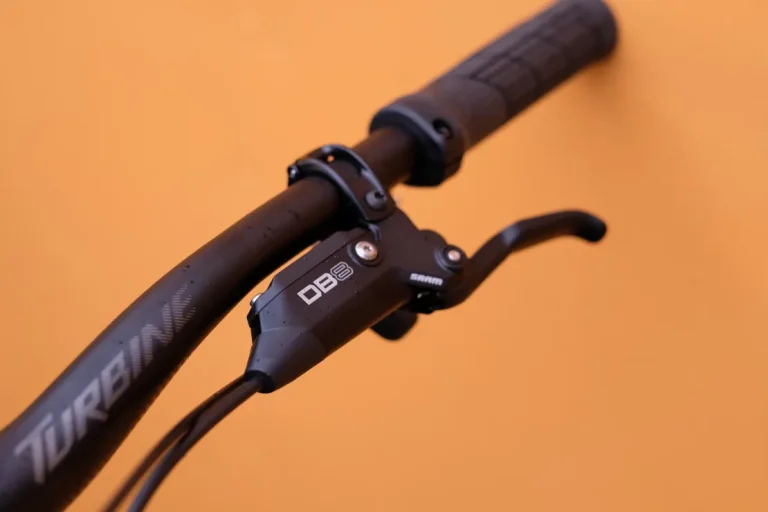
Grips are a bit thick for smaller hands 🤏
And honestly…
I don’t like red paint jobs on bikes 😅
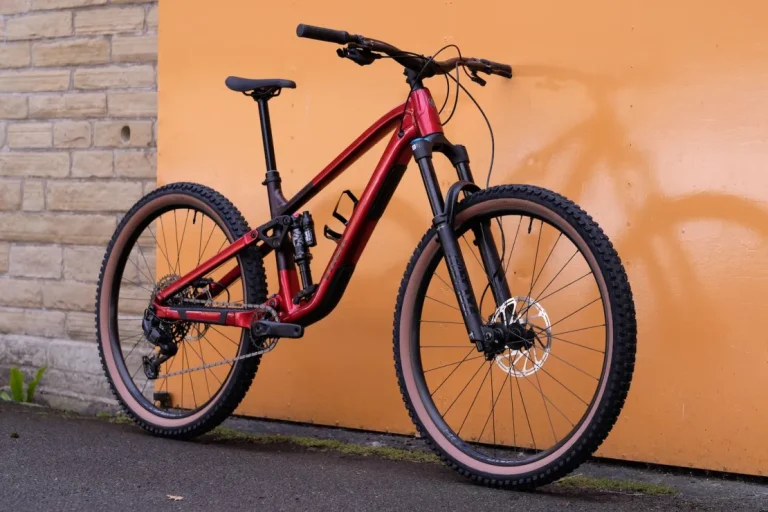
The new Trek Fuel EX 8 is awesome, but let me start with the things I don’t like so we get them out of the way! 😎
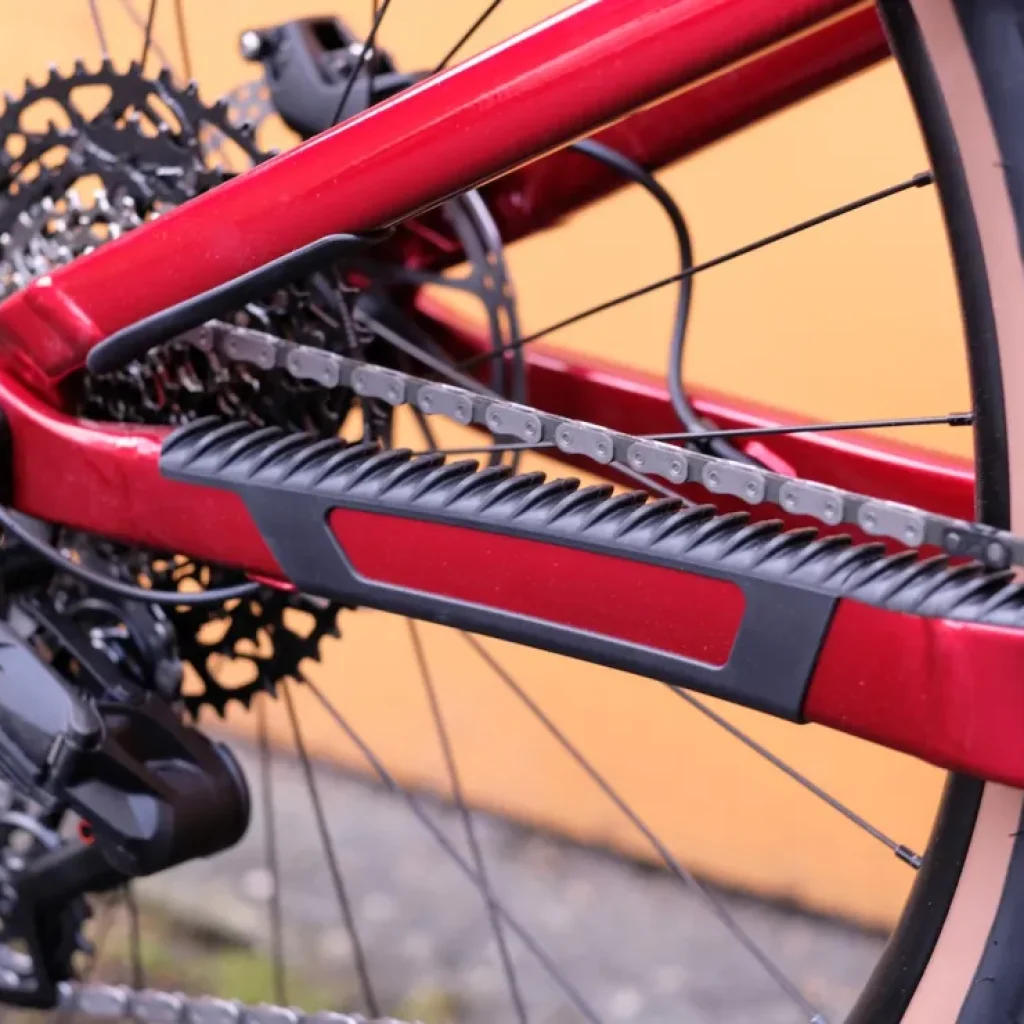
It’s not very quiet, the cables rattle a bit, and despite solid chain protection, there’s still some chainslap. Also, the SRAM Eagle 70 clutch isn’t very strong.
The bike isn’t light, and it gets heavier with beefier tires, but its trail weight still offers a fun and efficient ride.
Trek says the new frame design is stiffer than the previous generation, and the bike indeed handles responsively and enjoyably, popping out of corners and accelerating on the trail.
The straight seat tube allows for a long dropper post (200mm on the Large size).
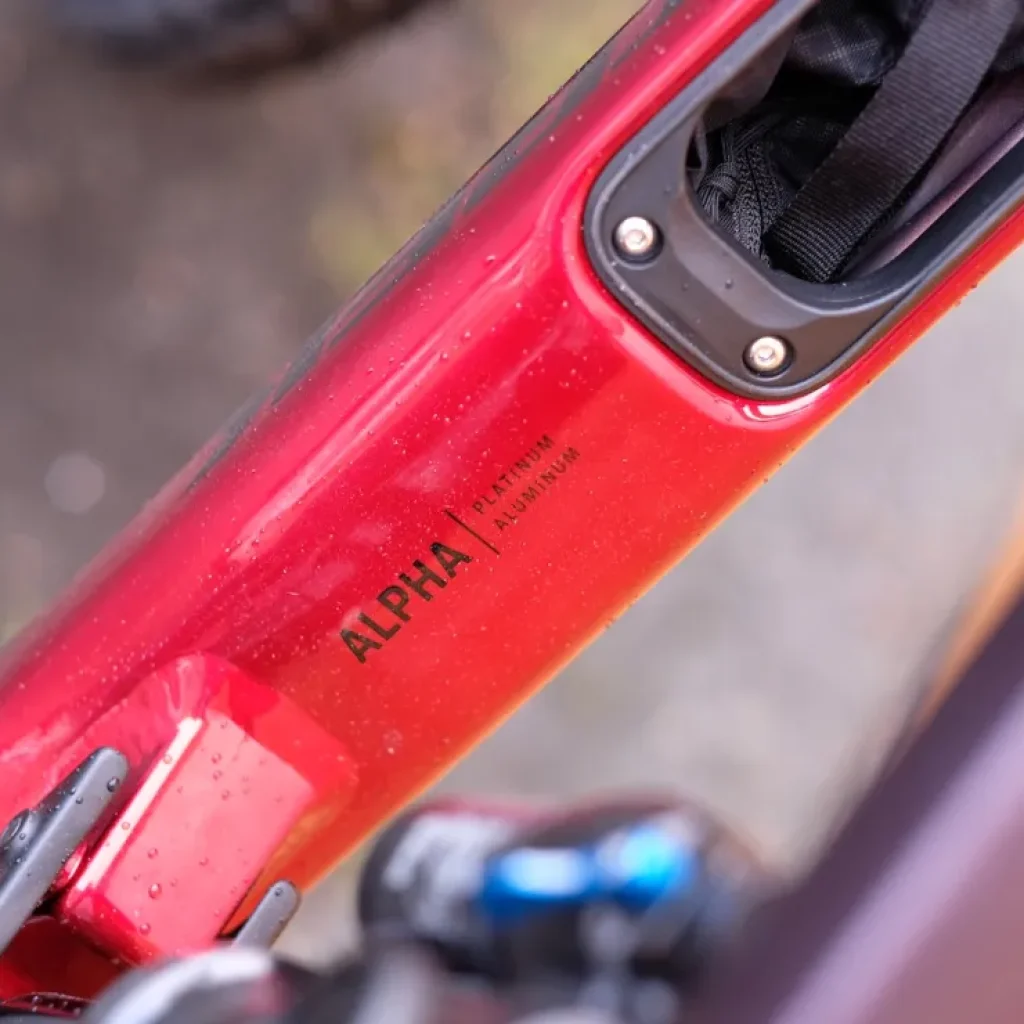
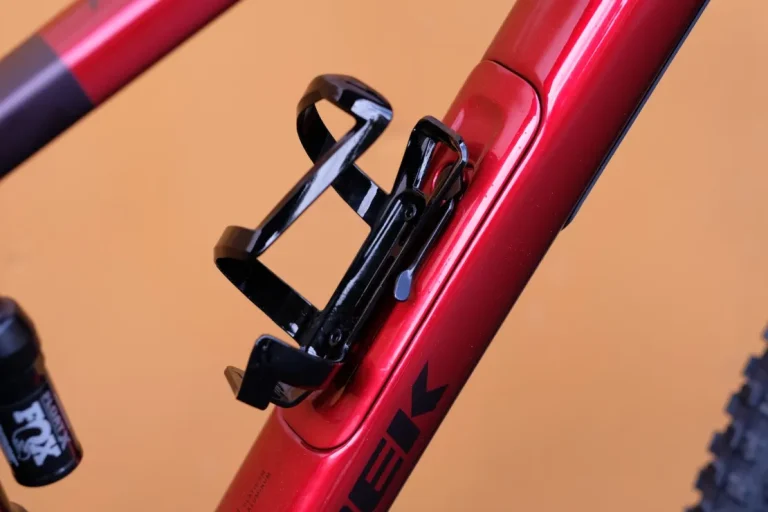
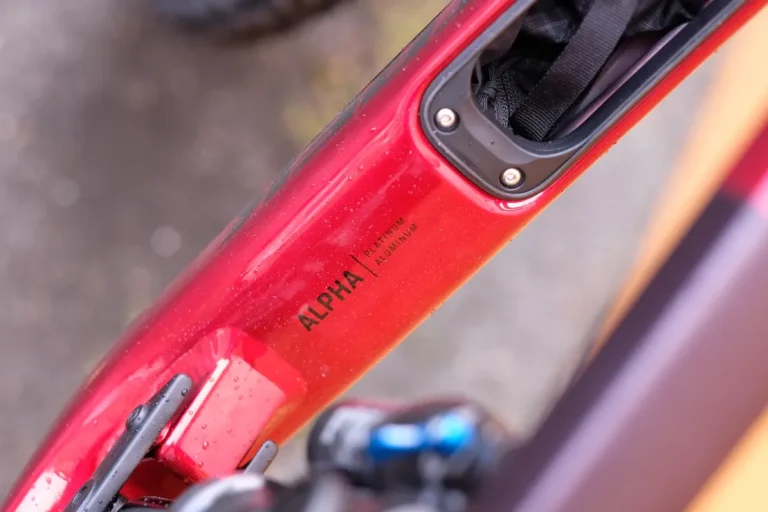
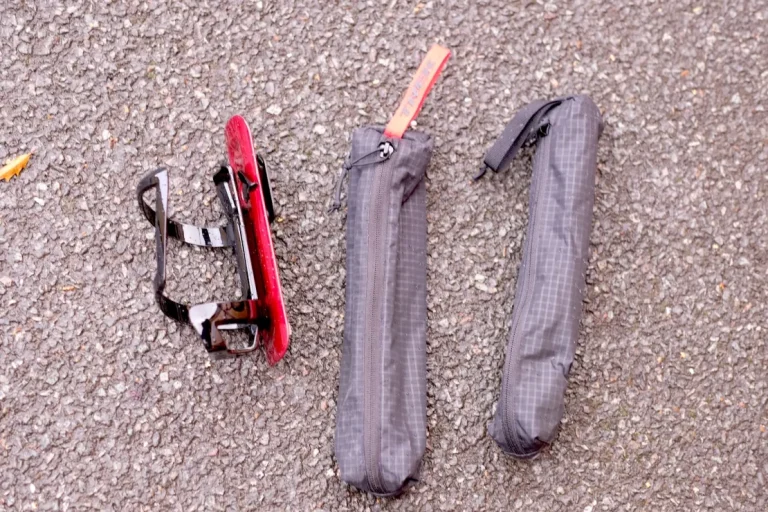
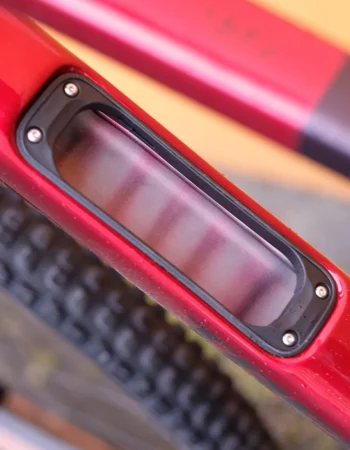
The front triangle space is bigger now, letting you fit a full-size bottle and still have room for extra accessory mounts.
Overall, the ride is fun and full of life on the trail, despite a few minor details I didn’t like 🚴♂️
The Fuel EX pedals excellently, whether sprinting or on long seated climbs 😎
There’s very little pedal bob, and with the steeper seat angle, the riding position is great for long stints in the saddle.
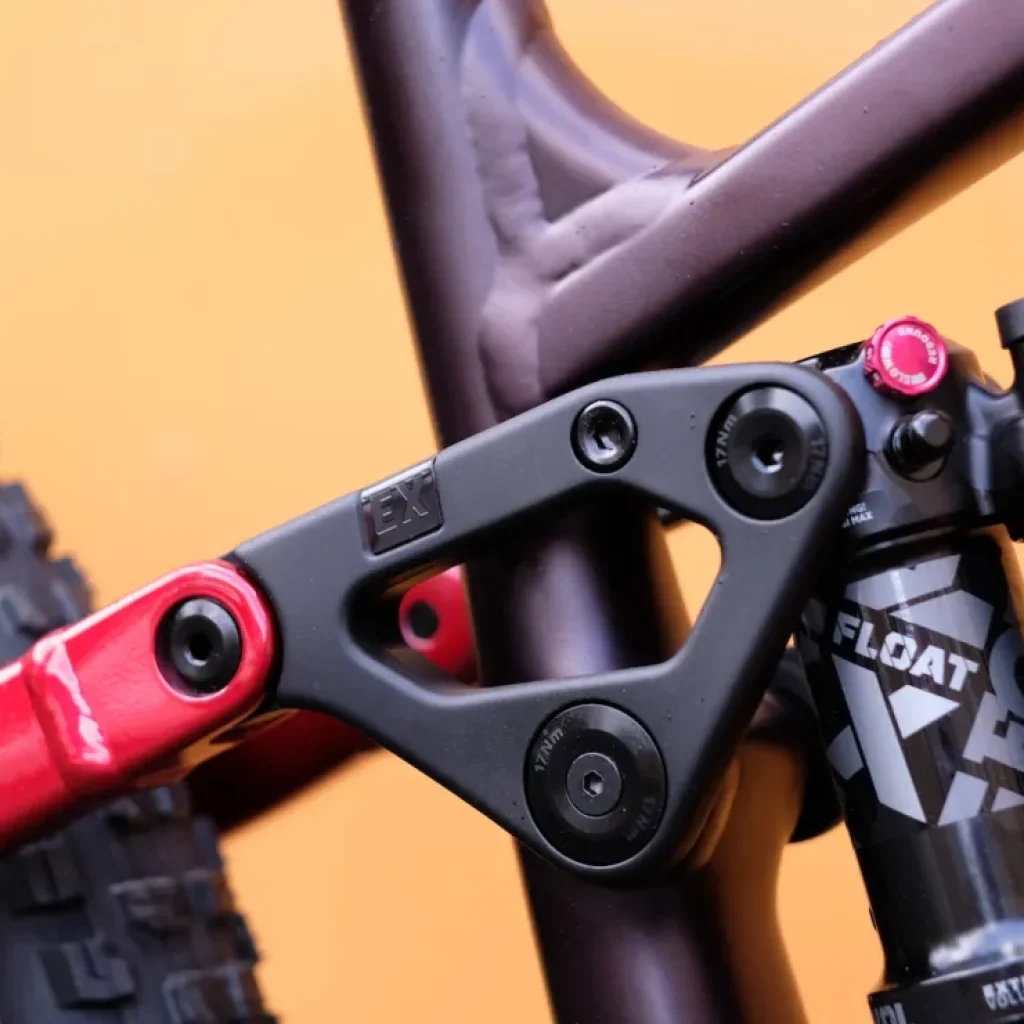
The adjustability in the new Fuel range is awesome; instead of the minor tweaks on previous MinoLink models, you can swap the rocker link for an MX (mullet) or LX (longer travel).
Changing the rocker isn’t cheap (£99.99 RRP), but it’s still cheaper than buying two full bikes 🚴♂️
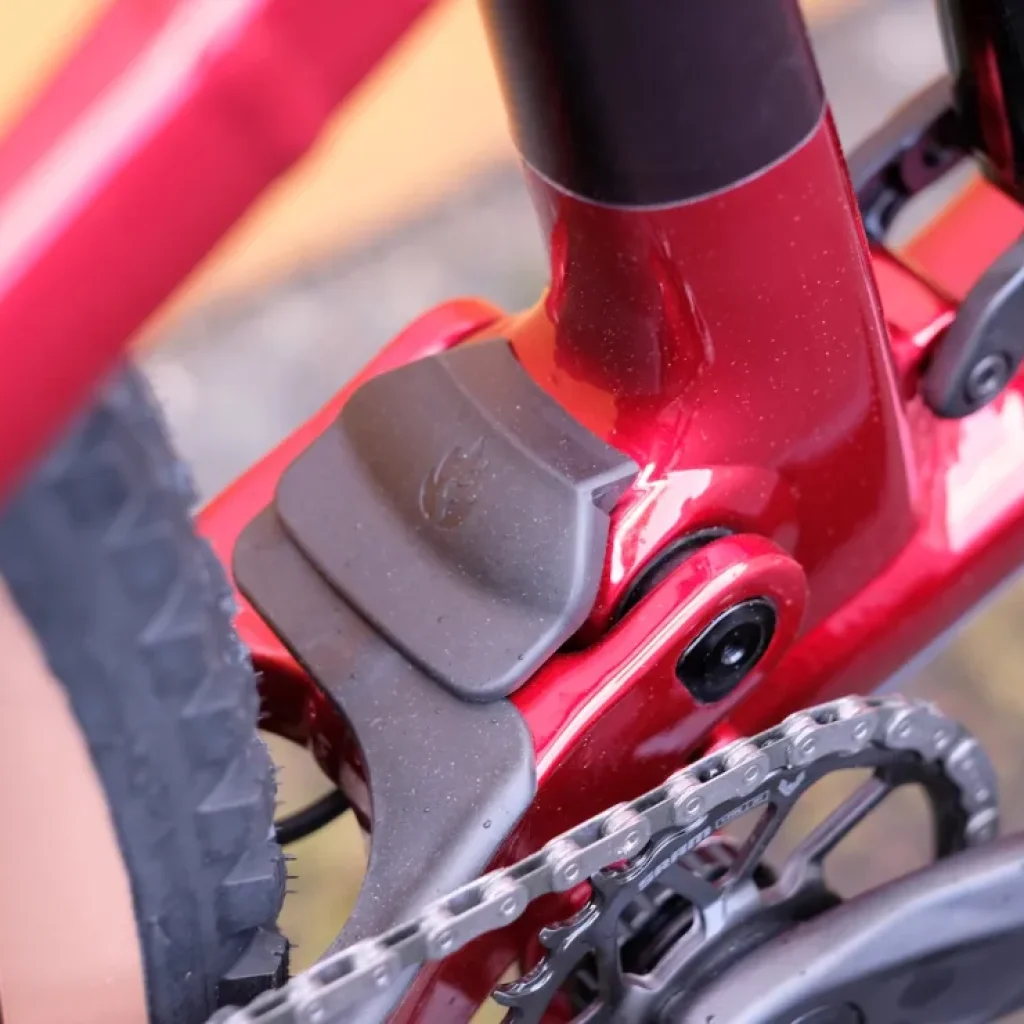
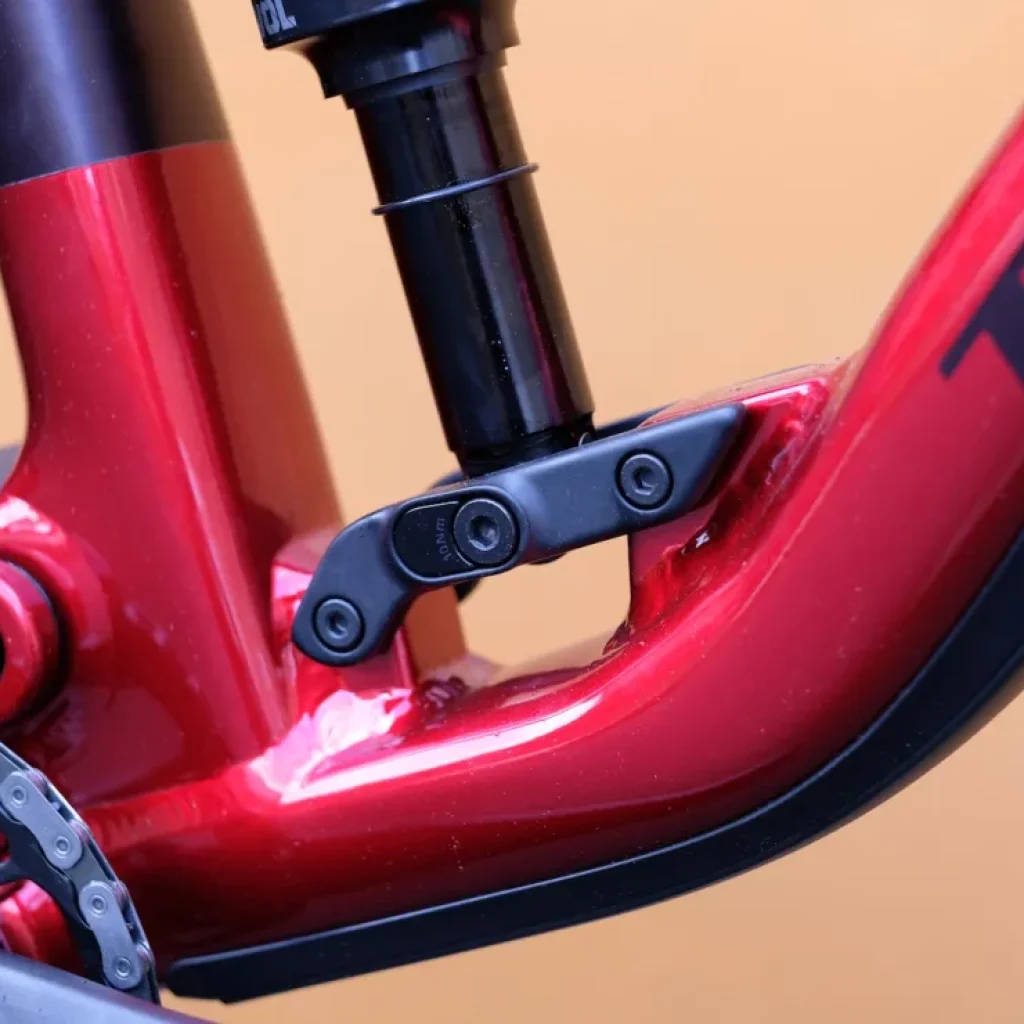
There are some small tweaks you can make 😎 You can adjust the flip-chip on the lower shock mount to change the progression.
Bringing the mounting bolt closer to the back gives more progression, and the other setting makes the shock more linear. It’s only a 5% change, but it could be all you need to dial in your setup. Easy to switch between rides, for example, flip it to the progressive setting if you’re heading to a bike park.
As a daily companion, the Fuel has been excellent, and as a trail bike, it could easily be your only mountain bike, capable of handling whatever you throw at it 🚴♂️
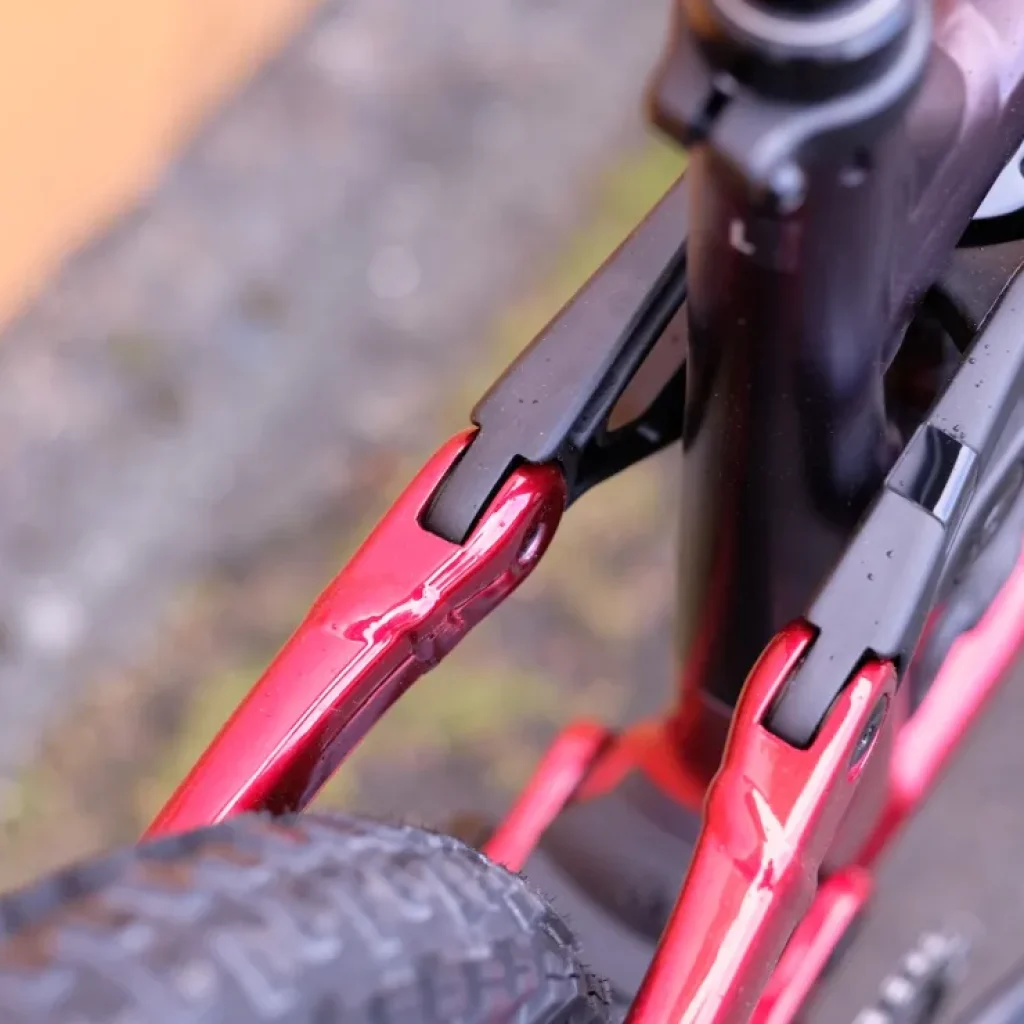
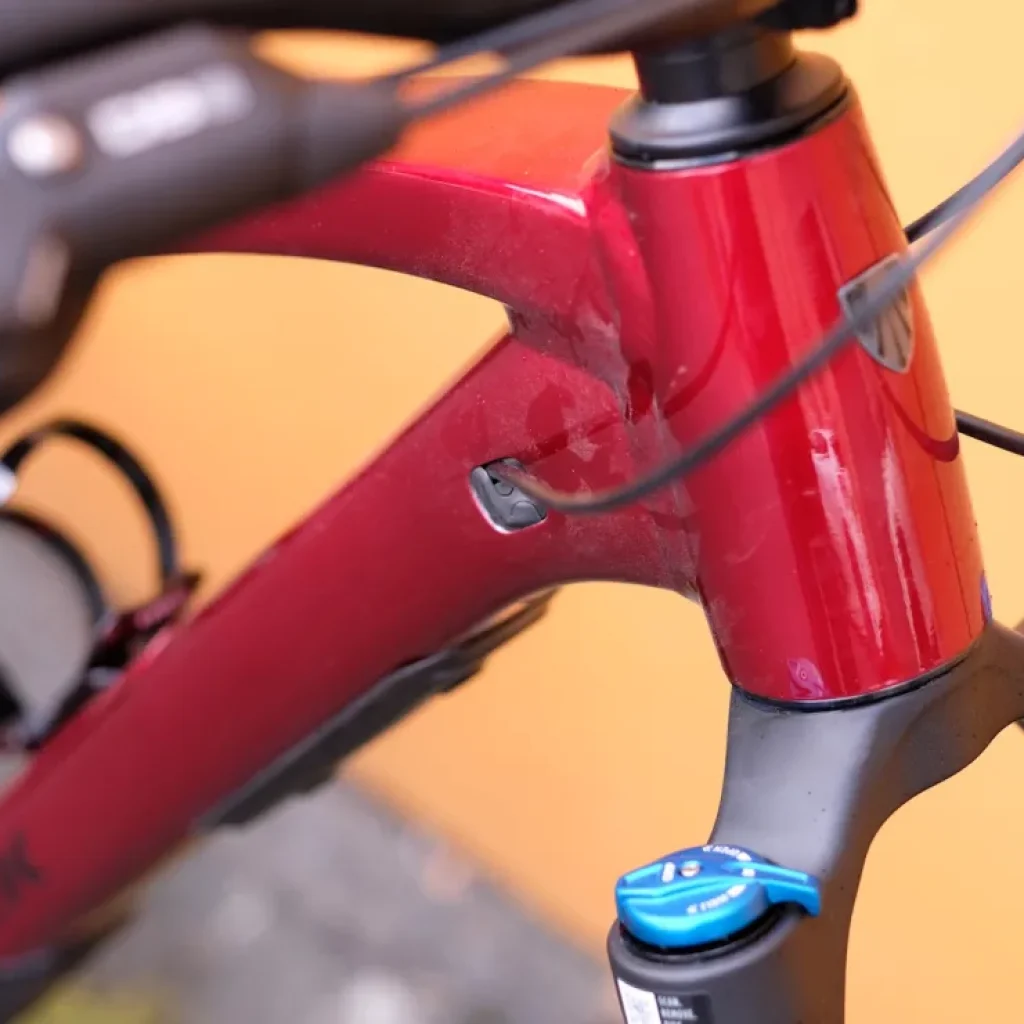
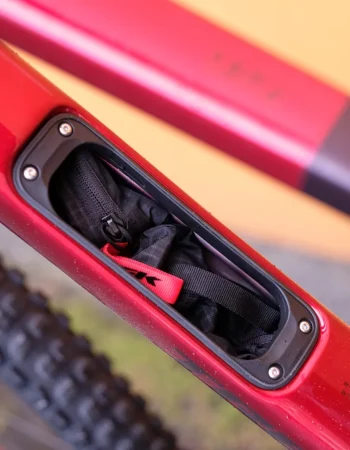
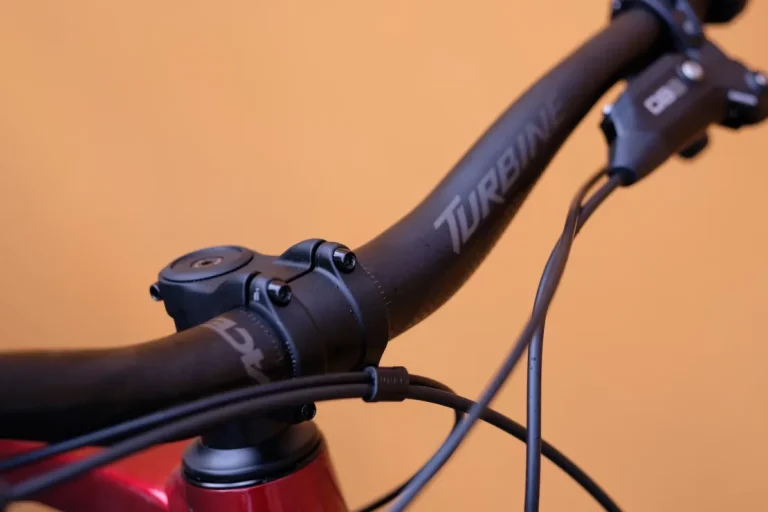
Nice touches include cables that don’t run through the headset, a larger front triangle storage box, and rubber flaps protecting delicate parts from mud.
The Fuel EX strikes an excellent balance 😎 Fun, efficient, and not too limiting on descents.
The head angle isn’t overly steep, so steep tracks feel similar to a bigger-travel enduro bike.
The 150mm/140mm front and rear travel EX isn’t a bike that can plow straight through rocks; it demands a more considered approach. But with smart line choice and measured riding, the Fuel EX is incredibly capable 🚴♂️
A strength of the bike is that it teaches you to pick the right lines, and its nimble nature makes finding smooth, fun lines easy.
If the Fuel EX makes you a better rider, it’s not by compensating for your skills, but by encouraging smarter, more technical riding.
That said, the bike is really capable—I’ve taken it on long classic rides like the ‘Big Days at the Golfie,’ rough local trails, and even downhill races with friends.
Tweaks and changes 😎
The 40mm rise handlebars are great; I shortened them to 750mm width to suit my personal preference.
I personally favor narrower bars, and I think a narrower bar enhances the playful character of the Fuel EX 🚴♂️
I tried playing with the two different lower shock mount settings 😎
I found the ‘more linear’ setting excellent, especially in wet conditions when you’re not riding at high speeds.
For drier, faster conditions, I prefer to run the ‘progressive’ setting 🚴♂️
Bike specifications 😎
Overall, I was satisfied with the Fuel EX spec. The SRAM Eagle 70 drivetrain—though a bit noisy on rough ground—never missed a beat. The SRAM DB8 brakes worked well, and the suspension platform was smooth and trouble-free.
However, the Bontrager wheels struggled when hitting corners hard or riding very rough trails, and by the second month, spoke tightening and wheel truing became a regular task.
The EX 8 tested here is a step up from the base aluminum model, hitting a sweet spot between price and quality 🚴♂️ The gloss red and black colorway is nice too.
In summary, the Trek Fuel EX captures what a trail bike should be: light, responsive, and fun, all in an easy-to-ride package 😎 You could race it in enduro events now and then, or take it on long missions into the hills. Aluminum bikes are great, and the Gen 7 Fuel EX is a versatile little all-rounder. Changing the rear wheel size or travel is a nice option, but the standard EX is a strong starting point and perfect for most riders.
Trek Fuel EX 8 specifications:
Frame is Alpha NEXT Platinum Aluminum with 145mm travel, paired with a Fox Float X Performance rear shock 205x60mm and a Fox 36 Rhythm GRIP fork with 150mm travel.
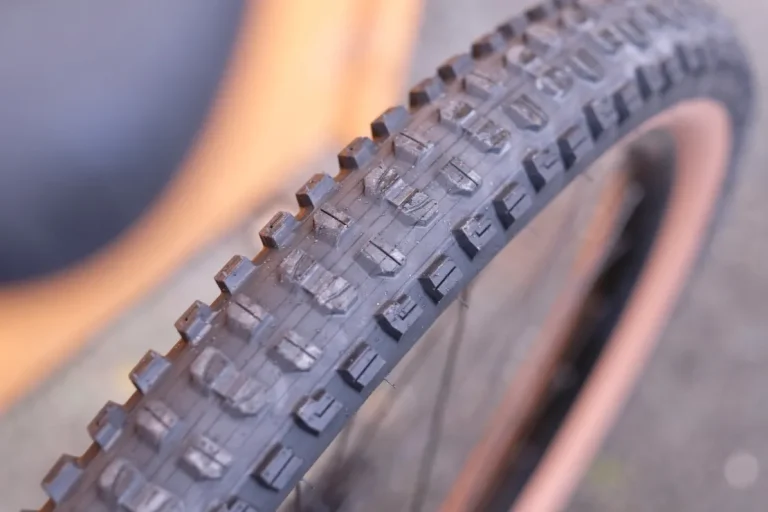
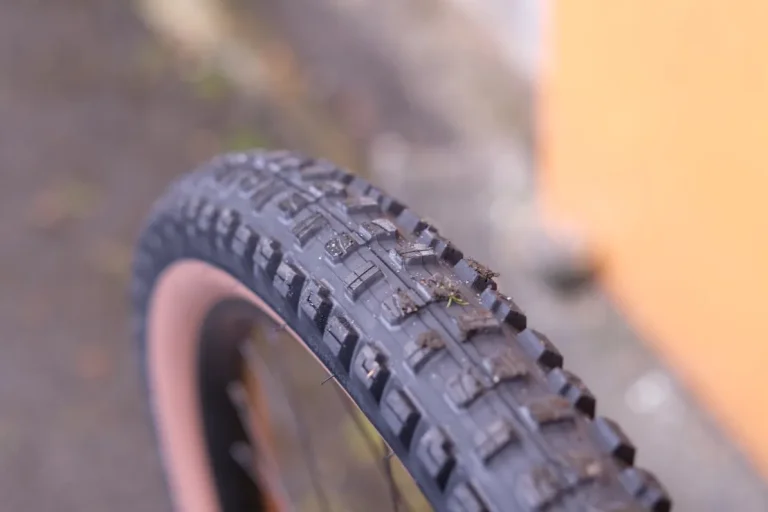
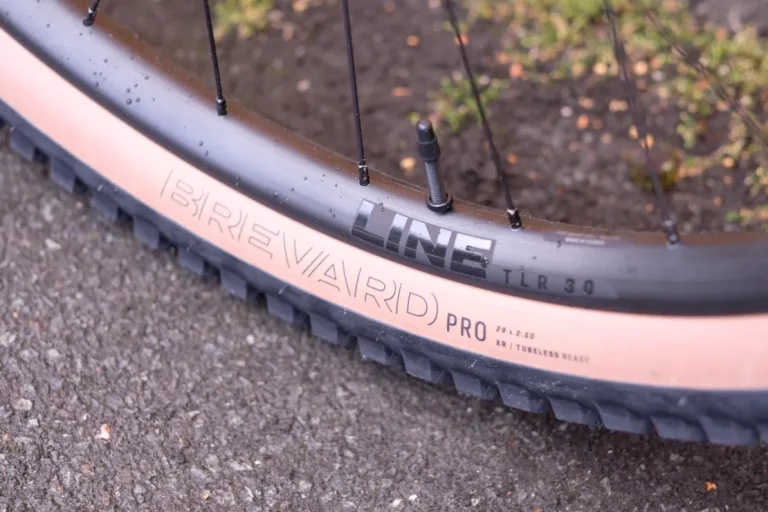
Wheels are Bontrager Line Comp 30, with Bontrager Brevard Pro XR 29×2.5 tires front and rear.
Drivetrain is SRAM Eagle 70 with 170mm crank arms and a 30T chainring, paired with SRAM DB8 4-pot brakes, 180/180mm.
Stem is Bontrager Elite 35, 45mm, handlebars are RaceFace Turbine 780×40mm, with Bontrager Lock-on grips.
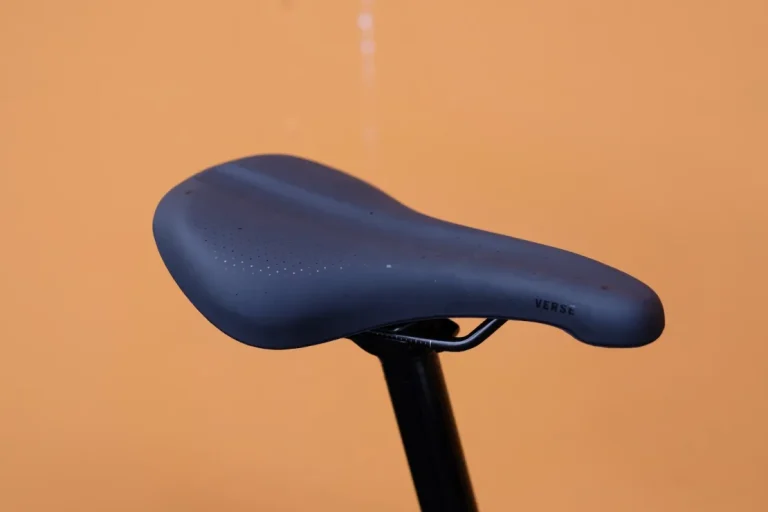
The dropper is a Bontrager Line 34.9mm, 200mm travel, paired with a Bontrager Verse P3 saddle.
Available sizes S to XXL, tested size L, weight 16.6kg 🚴♂️
Geometry for the Large size:
Head angle 64.5°, effective seat angle 77.4°, seat tube length 420mm, head tube length 125mm.
Rear chainstay 442mm, wheelbase 1,269.1mm, and effective top tube length 616.9mm.
BB height 35mm (BB drop) 🚴♂️
Initial ride thoughts 😎
The Fuel EX 8 gets off to an easy start thanks to the Fox 36 Rhythm fork and Float X rear shock, two great units that don’t need to be run fully open all the time. Set the sag, add a few clicks of rebound, and get riding 🚴♂️
The suspension feel is very well matched between front and rear—not too firm, not too soft—providing a comfortable initial ease without losing traction. Once off and freewheeling, there’s ample mid-stroke support for working the terrain with precise, predictable handling.
The metal frame is excellent as expected, though I’ll hold off on final judgment until I’ve racked up more miles. So far, everything’s great.
The contact points are well set: the saddle is great in the neutral position, and the handlebars are wide and nicely high at 780×40mm.
The saddle and grips are a bit chunky, but very comfortable for me 😎 Though people with smaller hands or less sensitive bum bones might not get along with them as well.
The Bontrager components—dropper, wheels, tires, etc.—are all good, and the SRAM DB8 brakes are excellent, with the option to fit bigger rotors if you want.
The SRAM Eagle 70 drivetrain is smooth, I didn’t notice any issues, and the 30T chainring is excellent.
The geometry is well balanced, and the bike is enjoyable for precise “pick-and-place” riding, preferring to loft over obstacles rather than plow through them, which is perfectly fine.
I’m borderline a Large, and if I went for an XL I’d fit a shorter stem, but there’s no need to hold back on anything. I’m looking forward to many rides on the Fuel EX 8, a metal mountain bike with no motor, no thru-headset cabling, and no offensive price tag.
What’s not to like? 😎


Comment (0)