
They say dogs are a man’s best friend, and honestly, for those of us who hit the trails with our furry sidekicks, we feel that truth in every single step. Tell me, is there anything better than having your loyal companion right there with you, tail wagging like they own the adventure? 🐾
There’s just something unbeatable about lacing up your boots, taking a deep breath, and heading out into the wild with your four-legged legend by your side. You look at them, they look at you, and it’s like, “Let’s go make this hike unforgettable.”
For hiking lovers searching for the perfect dog, choosing the right breed is a serious game changer. You want a companion that matches your pace, your passion, and your love for the outdoors.
Temperament and physical ability are key factors to think about, because not every dog is built for long hours on rugged trails. You need an active breed with strong stamina, one that was purposefully raised to stay on the move and thrive outside.
I am not a certified canine expert, but I grew up in a family full of walkers and dogs, so my experience comes straight from real life adventures. Trust me, I have seen what works and what does not out there.
From big breeds to small ones, I have met some truly incredible dogs over the years that absolutely dominated the trails. The kind that never slow down and look at you like, “Is that all you have?” 🐕
There are plenty of amazing breeds out there that suit hiking lovers, no doubt about it. But after thinking long and hard, I narrowed it down to my absolute 6 favorite hiking breeds that truly stand out from the pack.
Best hiking dog breeds
German Shepherd
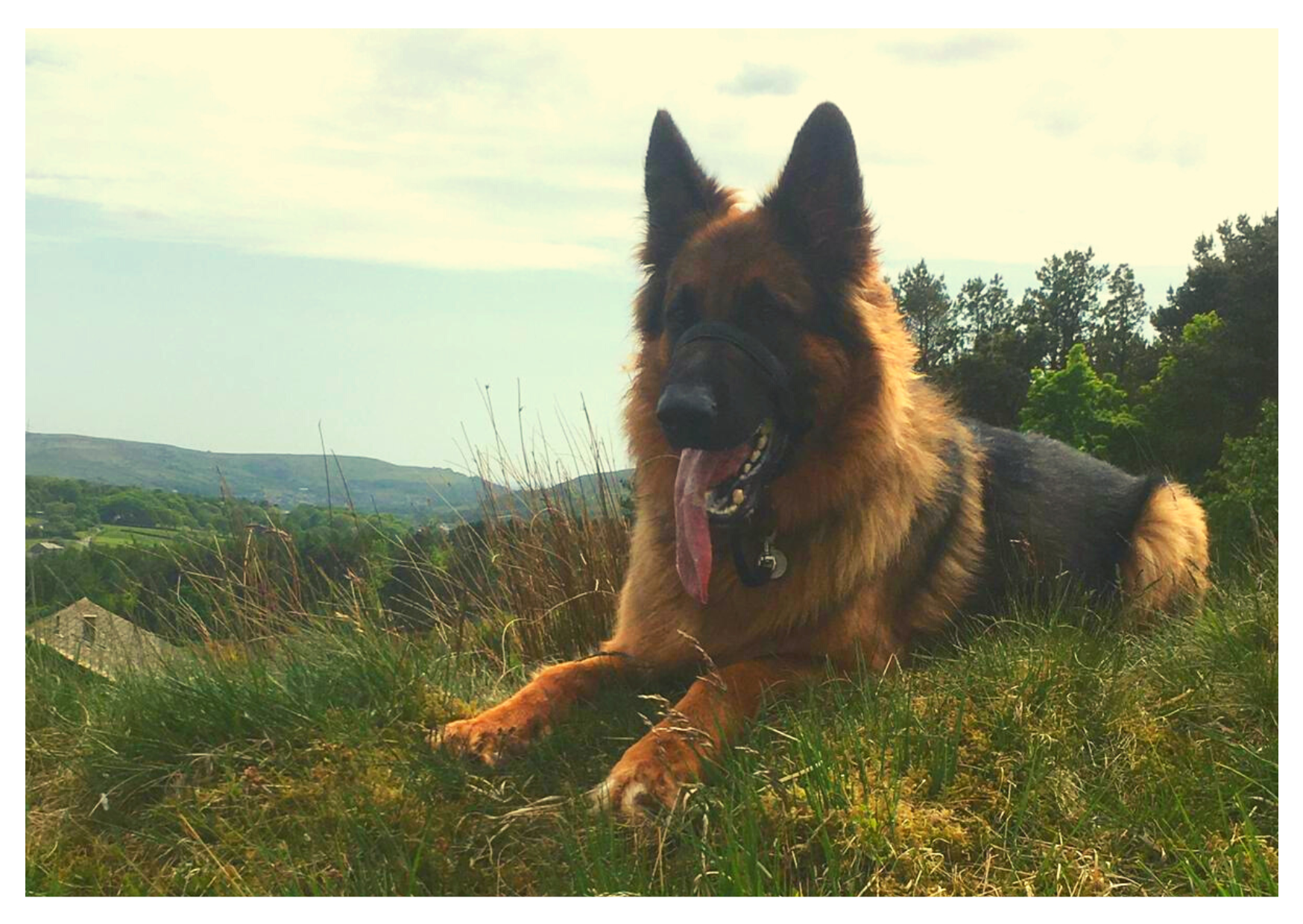
Maybe I am a little biased since I grew up with them, but honestly, you would struggle to find a better adventure partner than a German Shepherd. Once you hike with one, you will understand the hype instantly.
I will be real with you though, the first couple of years can test your patience. They are clever, energetic, and always looking for something to get into. It is like living with a furry mastermind who never switches off.
But when they mature, everything changes. They grow into some of the most loyal, intelligent, and active dogs you could ever ask for. That is exactly why they have served in police forces for so many years with outstanding performance and discipline.
Also known as Alsatians, this breed needs strong involvement and consistent attention, especially during the puppy stage. They are true family dogs who love being in the center of the action, and they are not the type you leave alone for long hours.
They are a powerful mix of energy and affection, and to truly bring out their best, proper training and regular exercise are non negotiable. The good news is, if you want a serious trail partner, they are more than ready to rise to the challenge.
As a general rule, an adult German Shepherd needs around 90 minutes of daily exercise to stay balanced both physically and mentally. Skip that, and they will absolutely let you know about it.
What many new owners do not realize is that there are different bloodlines of German Shepherds, and their traits can vary a lot. Choosing the right line for your lifestyle is crucial if you want harmony on and off the trail.
Long haired lines may struggle in hotter climates, while heavier eastern lines can be too large for very long distance hikes. It all depends on what kind of adventures you have in mind.
For example, my parents have a larger eastern line German Shepherd weighing over 50 kilograms of pure strength. He is impressive, no doubt, but he prefers shorter power walks and intense runs instead of long wandering hikes. So take your time, do your research, and choose the right Alsatian breeder that matches your outdoor goals.
Golden Retriever
Cute, energetic, friendly, and bursting with personality, what is there not to love about Golden Retrievers? Seriously, one look at that happy face and you already know your hike just leveled up. 🐕
Loyal to the core and obsessed with the outdoors, Golden Retrievers were originally bred for long hunts in the Scottish Highlands, which means being outside with their owner is not just fun for them, it is in their DNA.
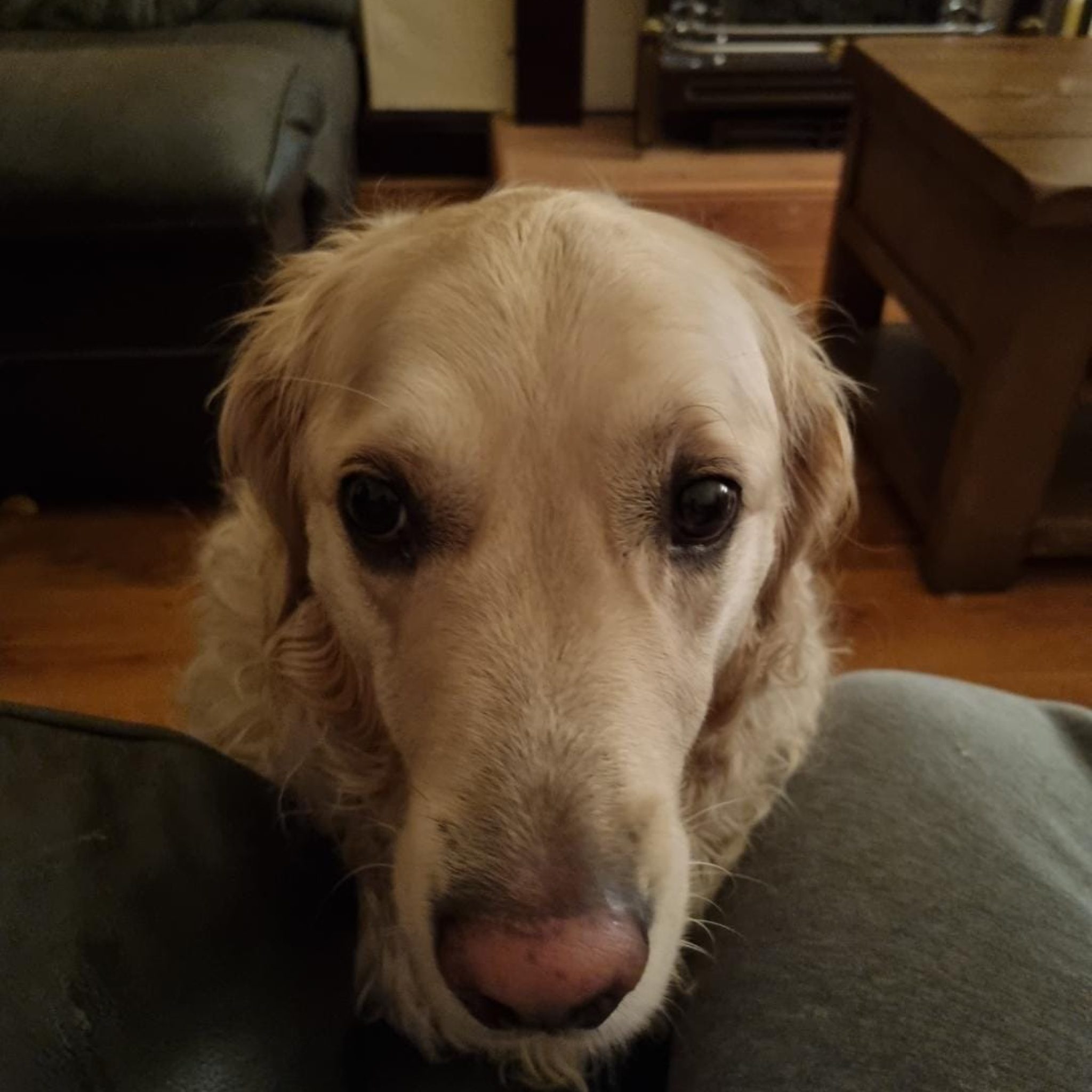
It is widely agreed that an adult Golden Retriever needs at least 60 minutes of exercise every single day. This keeps their energy balanced, helps them burn off that extra spark, and makes sure they stay calm and content at home instead of turning your living room into a playground.
Famous for their intelligence, Golden Retrievers also need regular mental stimulation. Keep them engaged with interactive toys, training challenges, and active playtime, because a bored Golden will definitely find its own way to stay entertained.
They can also be prone to weight gain, so keeping their calorie intake under control is just as important as sticking to a consistent exercise routine. Balance their food, keep them moving, and you will have a happy, healthy trail partner ready for the next adventure.
Border Collie
For years, Border Collies have stayed at the top of the list when it comes to ultimate walking companions. Once you hike with one, you will see exactly why they have earned that reputation.
Used as herding dogs for centuries, Border Collies are intelligent, affectionate, loyal, and packed with unstoppable energy. They do not just walk the trail, they own it.
True working dogs at heart, their natural drive to serve and stay busy makes them incredibly well suited for trail adventures. Give them a mission, and they are locked in with full focus.
Recognized as one of the smartest breeds out there, it is crucial to keep your Collie active and mentally stimulated every single day. The good news is they are highly responsive to training and love learning new commands, so every hike can turn into a powerful bonding session.
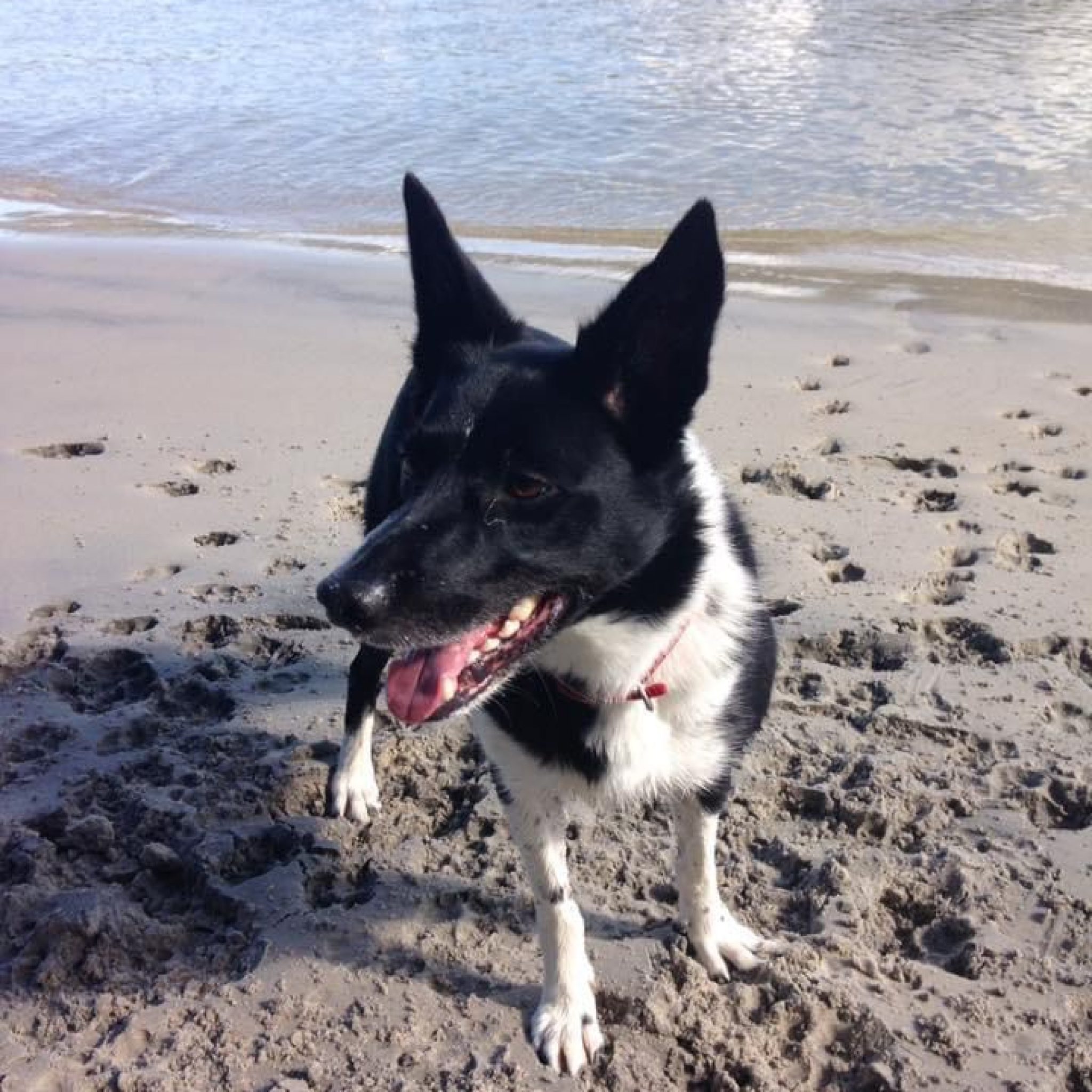
Depending on their age, most adult Border Collies need at least 90 to 120 minutes of activity every single day. This is not optional, this is the baseline if you want a balanced and happy dog.
No matter how long you walk them though, here is the reality, Border Collies never truly switch off. They are always ready for the next task, the next run, the next challenge, which means this breed is definitely not built for a laid back lifestyle.
Jack Russell
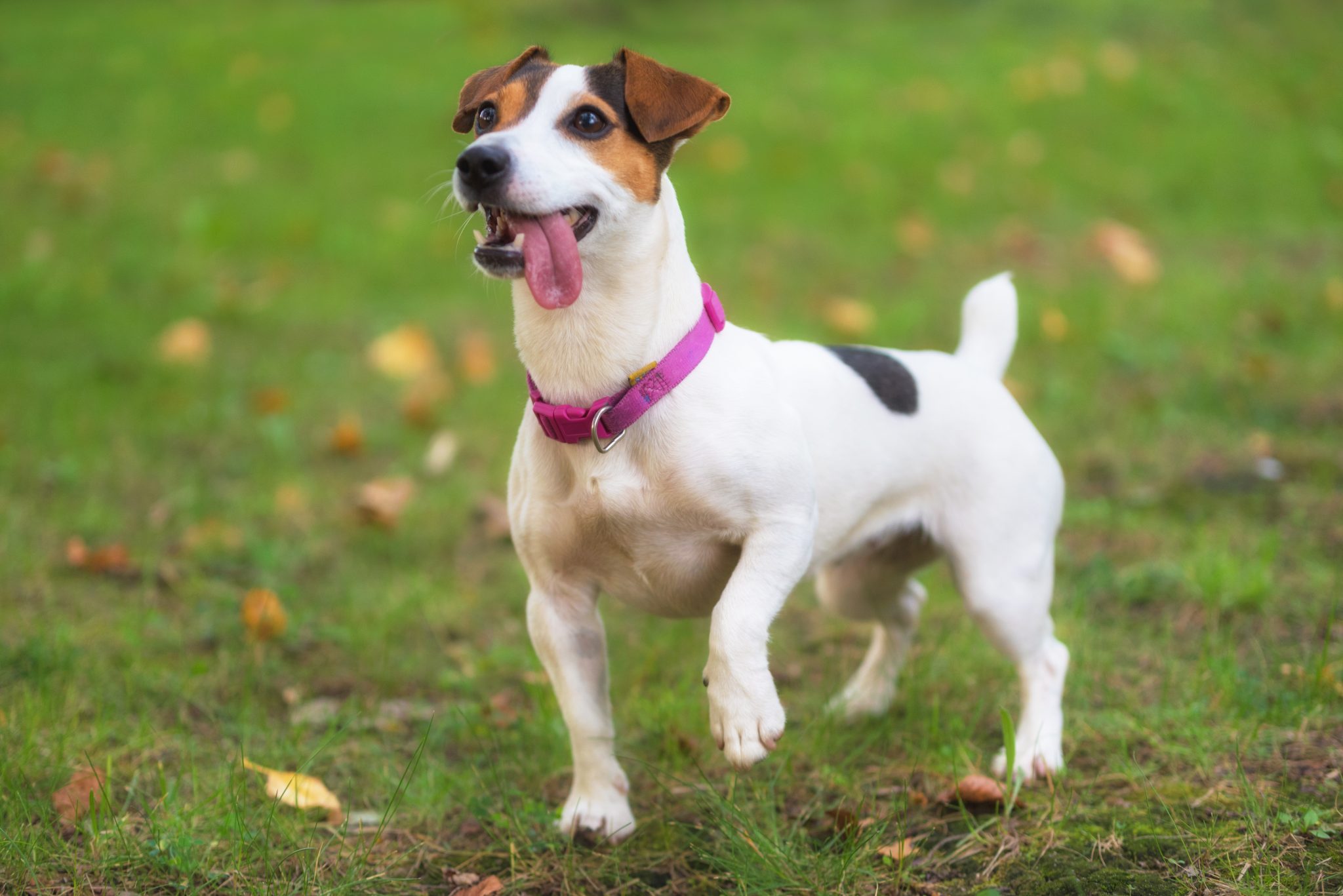
What Jack Russell Terriers may lack in size, they absolutely make up for in bold personality and fearless energy. Do not let that small frame fool you, this breed walks in like it owns the place.
Dating back to the early 1800s, Jack Russells were specifically bred for hunting foxes and other ground dwelling prey, which explains why they are among the liveliest small breeds you will ever meet. Adventure runs through their veins.
Even with their compact build, they are highly intelligent, athletic, and need around 60 to 90 minutes of walking every single day. For hikers who want a smaller breed without sacrificing stamina, this is a serious contender.
Consistent exercise keeps them balanced at home and helps prevent unwanted behavior that can show up when boredom kicks in. Keep them active, and they will reward you with loyalty and nonstop enthusiasm.
My grandfather owned several Jack Russells over the years, and they were always more than ready to spend long countryside days exploring right by his side. Rain or shine, they showed up with full energy and zero hesitation.
Australian Shepherd
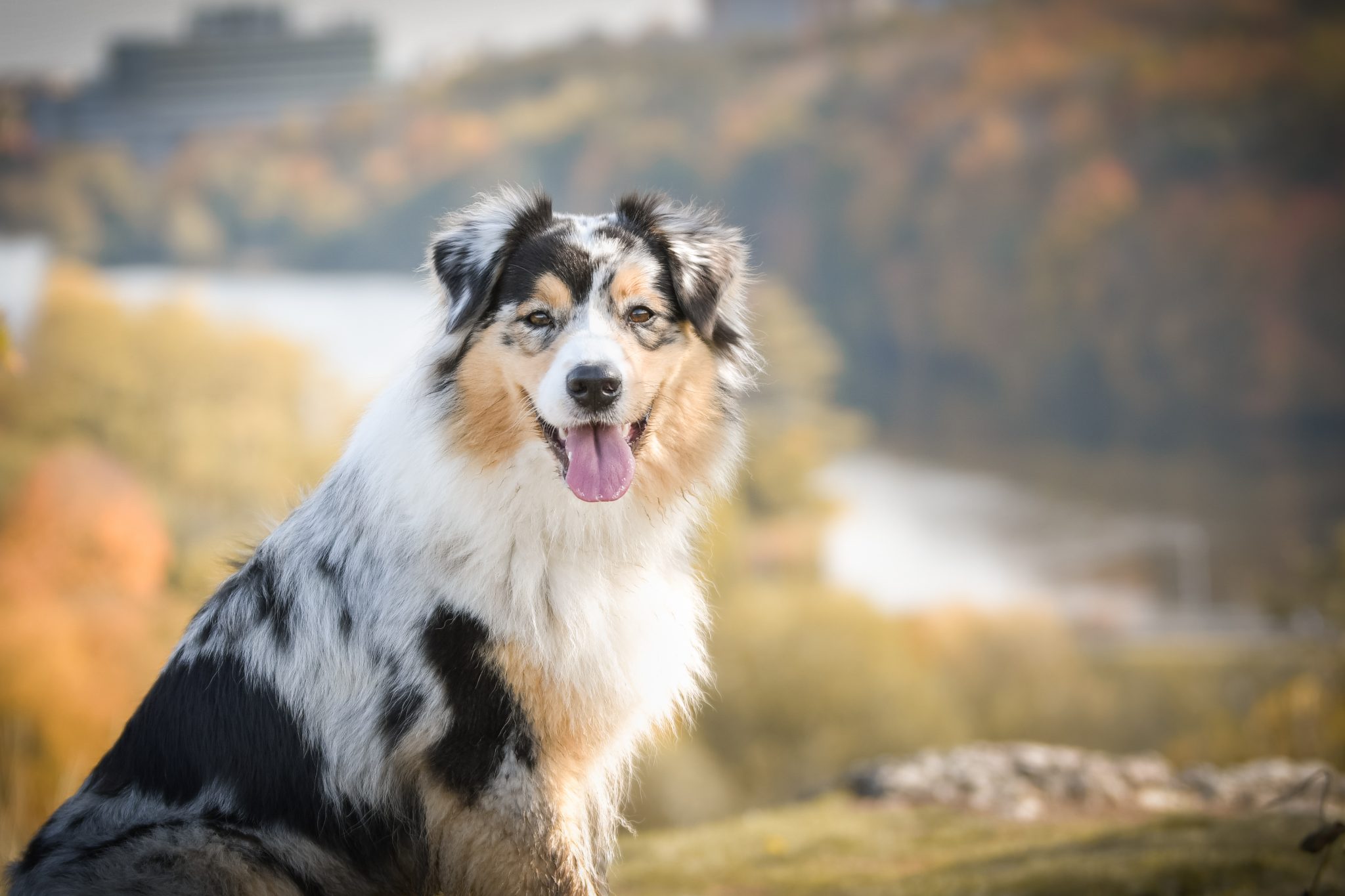
Another breed bursting with energy, Australian Shepherds are full of spark and are happiest when they are out exploring the world with their owner. If adventure had a face, it would probably look like this breed.
Fun fact, despite the name, they are believed to have originated in the United States, particularly in the western states of California, Colorado, Wyoming, and Idaho, where they worked with large flocks of sheep. So yes, the name might say Australia, but their roots tell a different story.
These intelligent working dogs learn fast and truly thrive on reward based training. For Miniature Australian Shepherds, it is recommended to provide at least 2 hours of exercise per day to keep them balanced and satisfied.
Often compared to Border Collies because of their similar appearance, Australian Shepherds stand out thanks to their unique and striking coat patterns. Many of them also have piercing blue eyes that instantly grab attention.
With such an active temperament, it is essential that you can meet both their physical and mental stimulation needs. If you cannot match their drive, they will quickly outpace you.
Although not officially recognized as a standard pedigree in some classifications, Miniature Australian Shepherds are rapidly gaining popularity among those who want the same bold temperament in a more compact size.
Bernese Mountain Dog
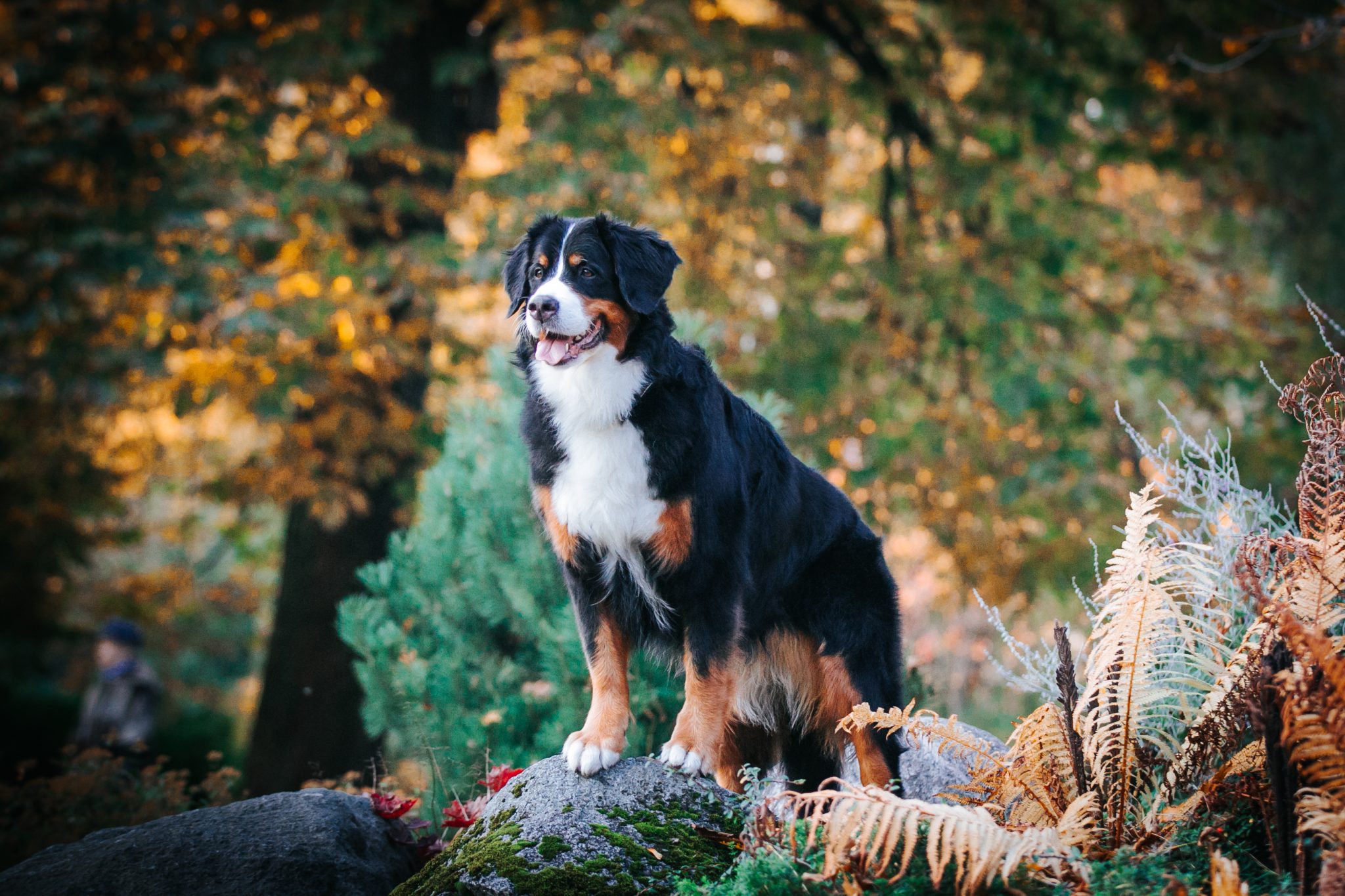
A true gentle giant, Bernese Mountain Dogs are famous for their calm, caring nature and deep love for the outdoors. One look at that fluffy powerhouse and you already know you are walking with royalty.
Originally bred for farm work in the Swiss Alps, Berners were built for tough conditions and real responsibility. They enjoy a challenge and can be an incredible hiking companion when given the right environment.
Because of their large size and thick coat, they do not need as much exercise as some of the smaller, high drive breeds on this list. They also shed heavily, so regular grooming is part of the commitment with this beautiful breed.
Around 1 hour of activity per day is usually recommended, and it is important to avoid the hottest parts of the day due to their sensitivity to heat exhaustion. Keep it cool, keep it steady, and they will thrive.
Affectionate and eager to please, this breed responds extremely well to training. They are wonderful with children and show unwavering loyalty to their owner, the kind of loyalty that truly feels special.
If you are willing to put in the effort and care they deserve, it would honestly be difficult to find a better family breed than the Bernese Mountain Dog.
Other Considerations
Only get a dog if you are truly ready for the responsibility. The reality of owning a dog is often very different from what people imagine at first, and many underestimate how much effort it takes, especially with an active hiking breed. This is a long term commitment, not a temporary hobby.
Do your research properly. Every breed has its own personality traits, strengths, and challenges, so do not rush the decision. Take your time and make sure you are fully confident that the breed you choose matches your lifestyle before making that big move.
Consider adoption as well. There are likely dogs in your local area waiting for a second chance, and one of them might turn out to be your perfect hiking partner. Sometimes the best trail companion is the one who just needed someone to believe in them. 🐾


Comment (0)